>
首页 > HTCZ > what's new
>
首页 > HTCZ > what's new
来源:Shenzhen Daily发布时间:2026.04.03

大中小
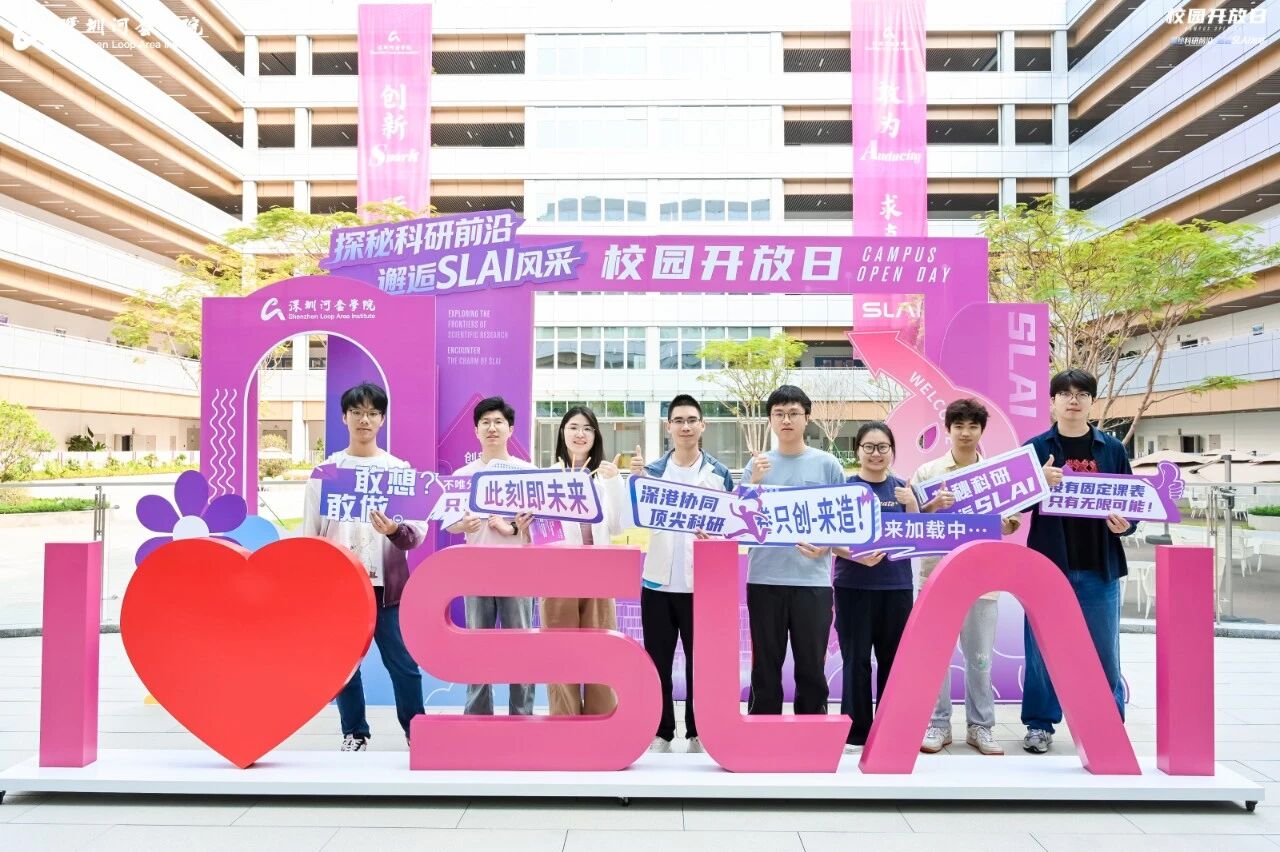
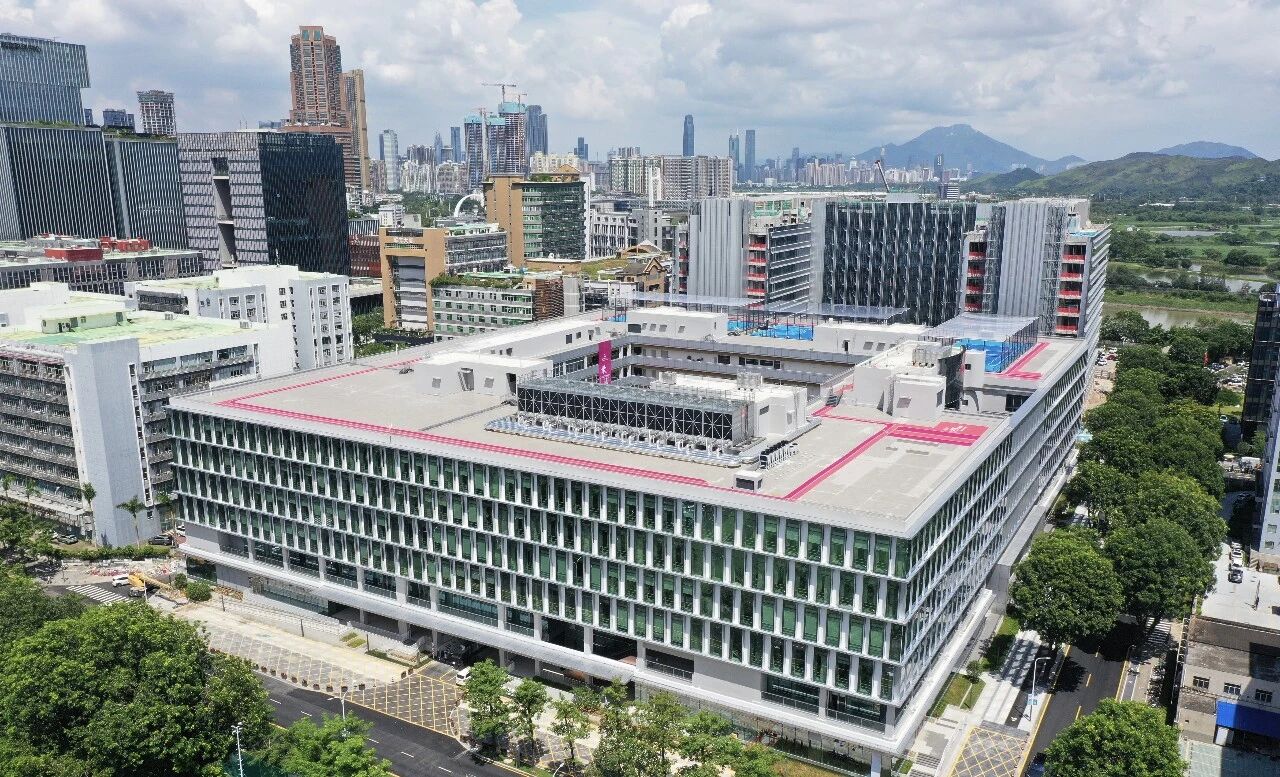
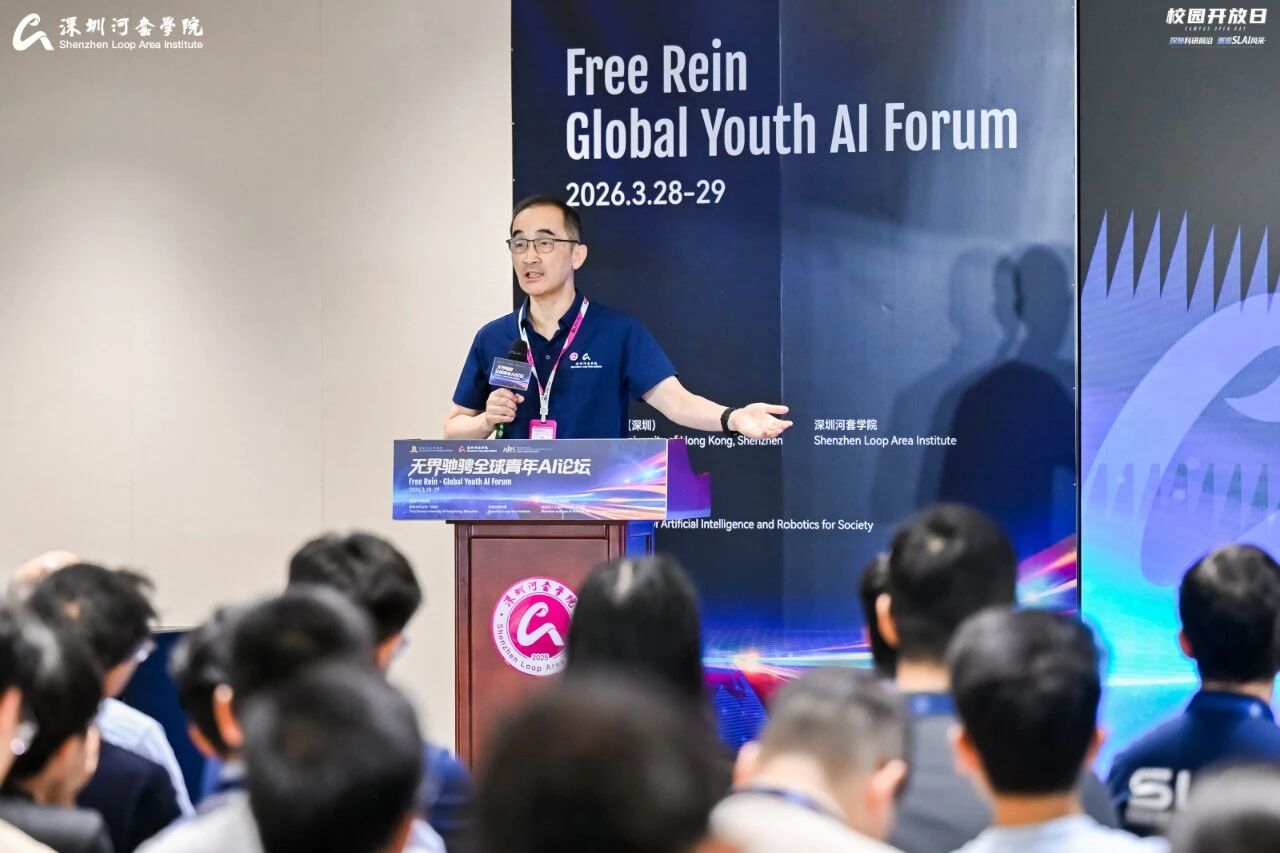
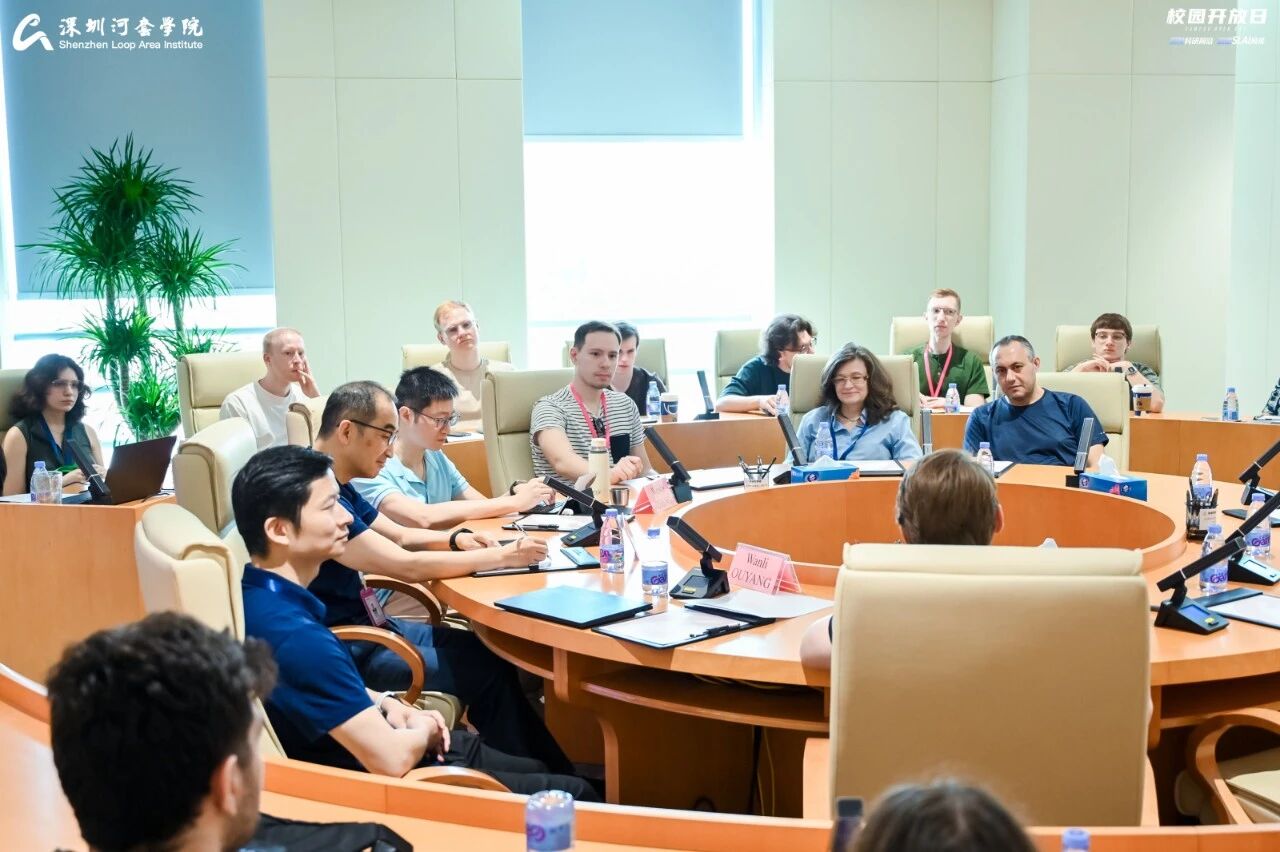
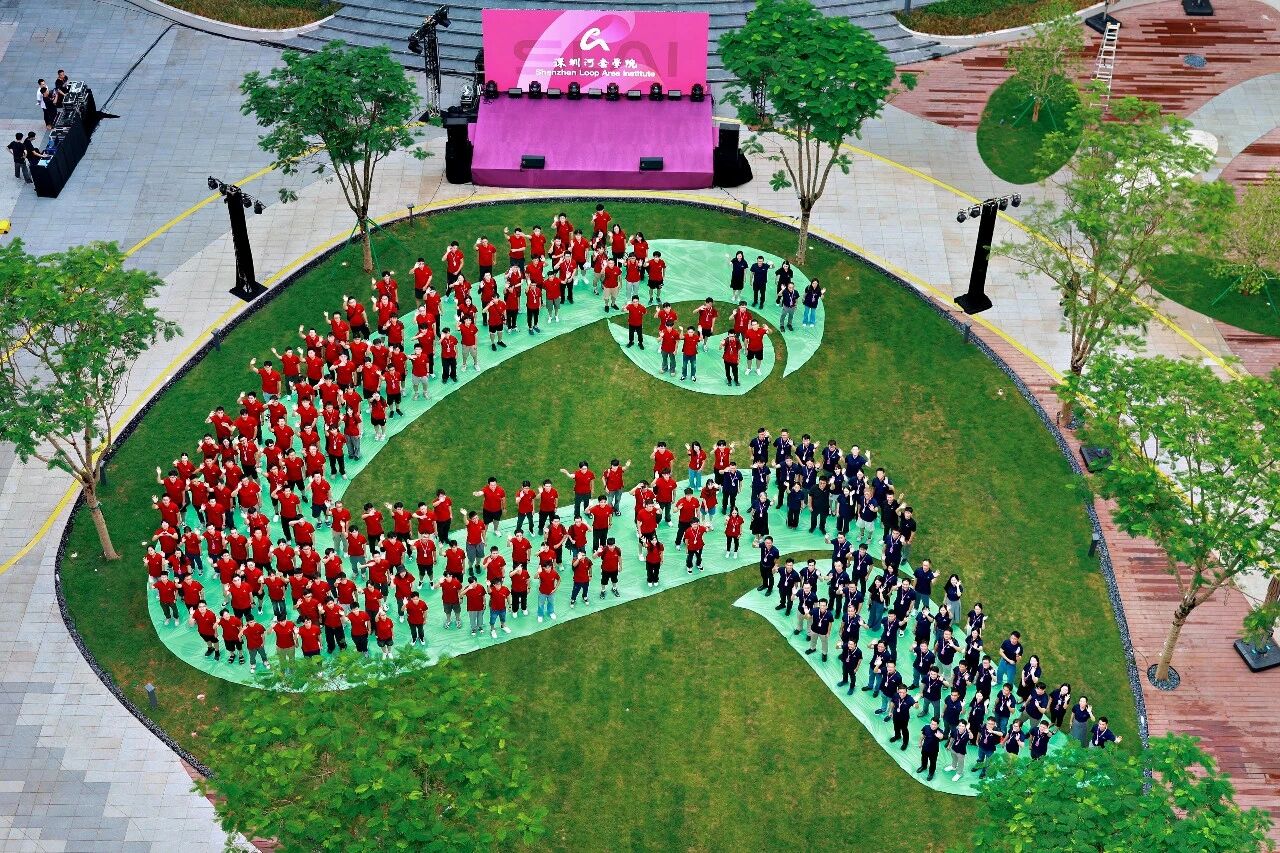
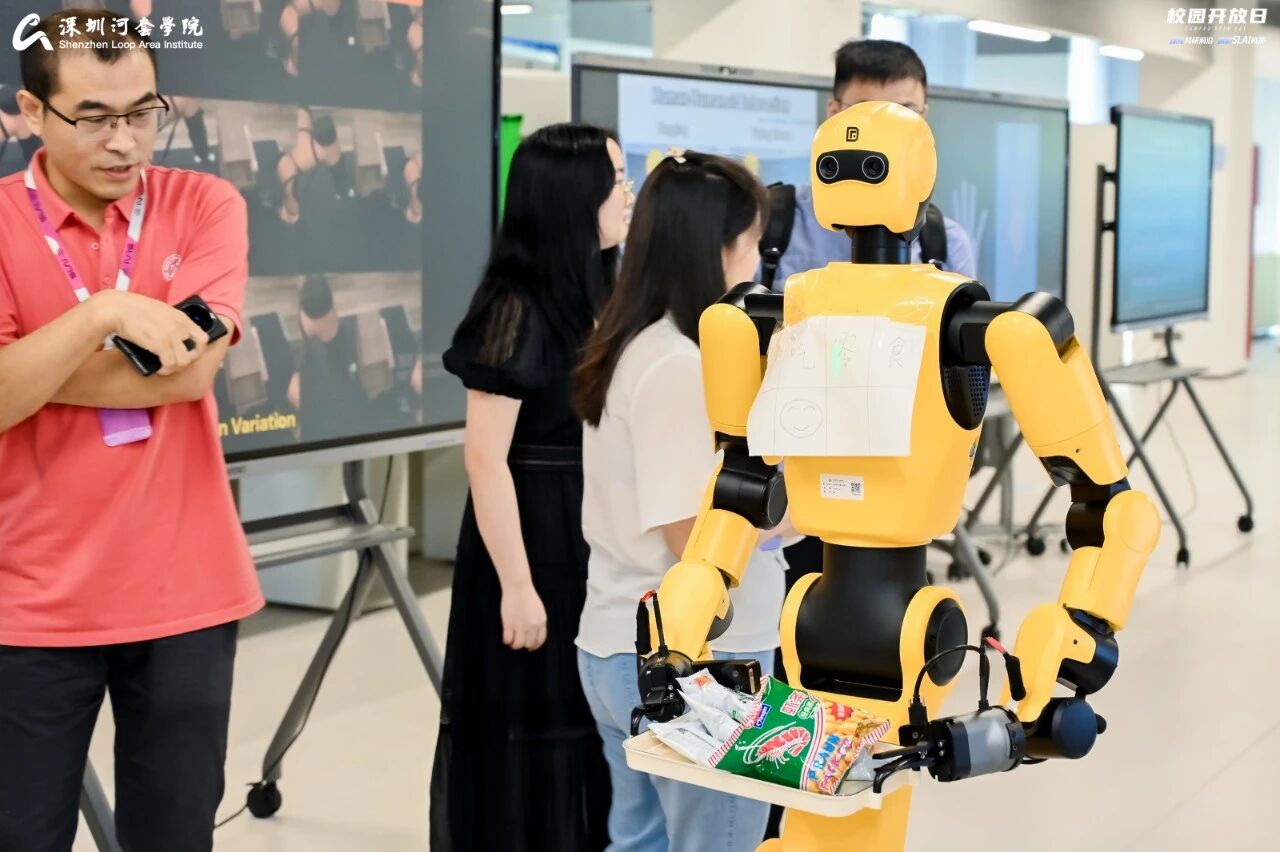
The Shenzhen Loop Area Institute (SLAI) held its inaugural open day on March 29, offering the public an inside look at its cutting-edge research, talent cultivation model and cross-border innovation. Some guests pose for a group photo at the open day. The event highlighted SLAI' s progress in establishing a global AI innovation hub in the Guangdong-Hong Kong-Macao Greater Bay Area (GBA). Situated in Shenzhen Park of Hetao Shenzhen-Hong Kong Science and Technology Innovation Cooperation Zone (HTCZ-SZ), SLAI serves as a strategic bridge between global AI advancement and the regional industrial ecosystem of the GBA. An aerial view of SLAI. During the event, Luo Zhiquan, executive dean of SLAI and vice president of The Chinese University of Hong Kong, Shenzhen (CUHKSZ), highlighted SLAI's unique geography. "Located just 400 meters from Hong Kong, SLAI is a natural testbed for cross-border collaboration," Luo said. "We leverage Shenzhen's robust supply chains alongside Hong Kong and Macao's world-class academic resources." Luo Zhiquan, executive dean of SLAI and vice president of The Chinese University of Hong Kong, speaks at the forum. SLAI' s educational philosophy is built on its signature "3I" talent model: international vision, interdisciplinary frameworks, and close industrial collaboration. Adopting English as the official teaching and working language, SLAI embraces global talent and partners to tackle key AI engineering challenges. It has teamed up with tech giants such as Tencent and Guangdong Power Grid to offer dual-track research programs and hands-on AI training bases. SLAI has set up five core research centers, namely Center for AI Theoretical Foundation and Systems, Center for AI for Science and Engineering, Center for Language, Intelligence and Machines, Center for Embodied Artificial Intelligence and Computer Vision, and Center for AI for Social Science. Faculty and students of SLAI communicate with representatives of a visiting delegation from top Russian universities. Ouyang Wanli, deputy dean of SLAI, highlighted SLAI's focus on practical applications. "We are building an ecosystem where students and researchers work with industry mentors to address practical challenges, supported by abundant computing resources," he said. SLAI now has over 100 faculty members. Through rigorous selection camps and programming competitions, it has enrolled 237 PhD students from 31 mainland universities and 7 Hong Kong and Macao universities. Its strategic and academic advisory boards include prominent scholars from Tsinghua University, Peking University, the Chinese Academy of Sciences, The University of Hong Kong, The Hong Kong University of Science and Technology, as well as renowned experts from leading enterprises. PhD students and faculty team of SLAI pose for a photo. Zheng Weishi, deputy dean of SLAI, introduced innovative approaches to talent recruitment and cultivation, such as short courses and internships, designed to attract top talent. "We select students based on their innovative potential and mindset, rather than just exam scores," he said. Luo added that SLAI aims to cultivate confident, independent thinkers capable of end-to-end problem-solving. A major attraction of the event was the intelligent robot from the Center for Embodied Artificial Intelligence and Computer Vision. The robot provided continuous snack service to visitors for three consecutive hours, navigating autonomously along planned routes, avoiding obstacles freely, and maneuvering seamlessly through the crowds. The intelligent robot from the Center for Embodied Artificial Intelligence and Computer Vision provides continuous snack service to visitors. The open day also highlighted SLAI's achievements in cross-border innovation. Jointly developed with researchers from the University of Hong Kong and supported by Guangdong-Hong Kong innovation grants, the AI for Sustainable Design Lab’s generative AI tool shortens the timeline for zero-carbon building design from eight weeks to just 72 hours. During the AI Youth Forum in the afternoon, guests and young scholars engaged in free discussions on cutting-edge AI topics. A booth networking session for the five core research centers was held concurrently, where professors from each center had face-to-face conversations with visitors, offering detailed insights into their research directions, talent cultivation models, and future development plans.